A private well in West Michigan should be tested at least once a year for coliform bacteria and nitrates, plus pH and total dissolved solids, and again any time the water changes or the well is worked on. The cost depends on which tests you need, whether a sample goes to a lab, and whether you also want hardness and iron readings to size a softener or filter.
Why well water is your job to test
City water is treated and tested by the utility before it reaches you. A private well is not. The U.S. Environmental Protection Agency puts it plainly: "Private well owners are responsible for delivering safe drinking water to their households."
That matters around Grand Rapids. Plenty of homes in the rural townships of Kent and Ottawa Counties draw their water from a private well, and many of them are bought and sold without anyone testing the water since the well was drilled. You cannot judge well water by looking at a glass. Bacteria and nitrates have no color, taste or smell.
What to test for every year
The EPA recommends that you "test your private well annually for total coliform bacteria, nitrates, total dissolved solids, and pH levels." Here is what each one tells you:
- Coliform bacteria. A sign that surface water or something else is getting into the well. A positive result needs follow-up before you drink the water.
- Nitrates. These can come from fertilizer, septic systems and animal waste. Farm fields and septic systems are common neighbors for rural wells.
- pH. Water that is too acidic can corrode copper pipes and fixtures. Blue-green stains in sinks are a common clue.
- Total dissolved solids. A general measure of how much is dissolved in the water. A high reading points to further tests.
Tests that tell you what equipment you need
The yearly safety tests do not tell you whether you need a softener or a filter. For that, we add:
- Hardness. Calcium and magnesium cause scale on fixtures, in the water heater and on dishes.
- Iron and manganese. These leave orange, brown or black stains in toilets, tubs and laundry.
- Sediment. Sand and grit wear out valves and clog aerators.
- Odor clues. A rotten egg smell from the hot water only, or from every tap, points to different causes and different fixes.
Our water testing service covers hardness, iron and manganese, chlorine, pH and sediment on site, and we collect a sample for a bacteria test at a lab.
When to test again, outside the yearly check
Test your well again, without waiting for the yearly date, when:
- you buy a home with a well, before you drink the water,
- the taste, smell or color of the water changes,
- someone in the house has an unexplained stomach illness,
- the well has been flooded, or there has been flooding nearby,
- the well, pump or pressure tank has been repaired or replaced,
- there is construction, excavation or a new septic system near the well, or
- you are about to buy a softener or filtration system.
Spring snowmelt and heavy rain are common times for surface water to reach a shallow well or one with a damaged cap. If the water turns cloudy after a thaw, test it.
What happens during a well water test
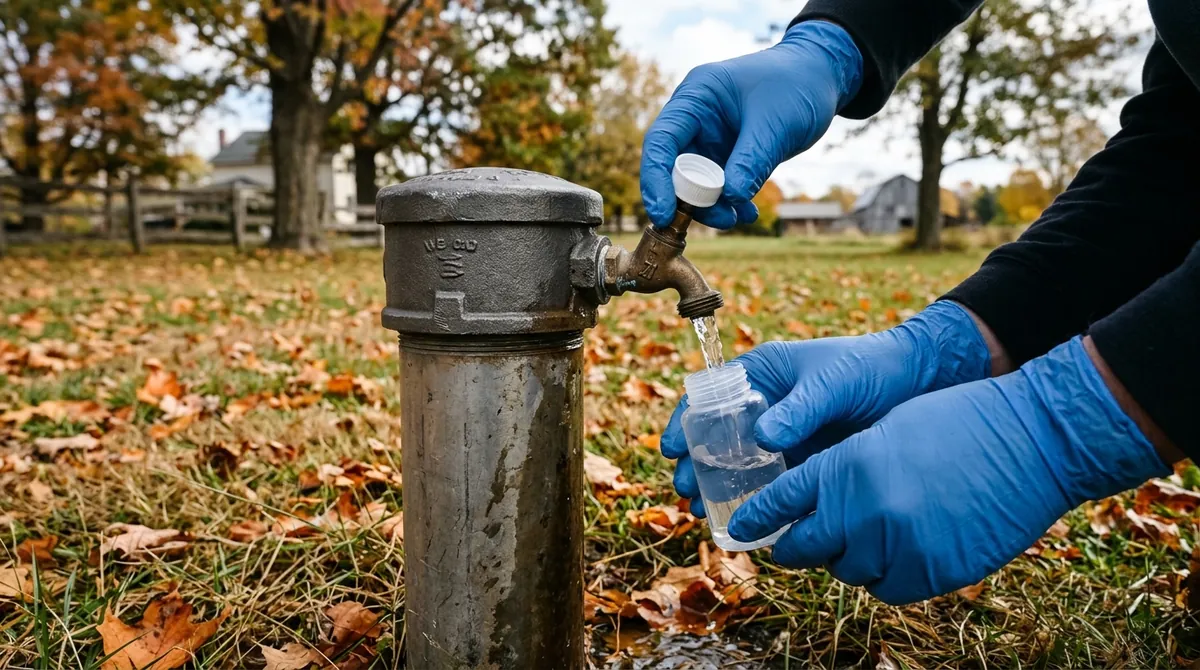
- We pick the right tap. For bacteria, the sample comes from a tap before any filter or softener, so the result shows the well itself.
- We take readings on site. Hardness, iron, chlorine and pH results come back in a few minutes at your tap.
- We collect the lab sample. Bacteria samples go in a sterile bottle and are sent to a lab. Results usually take a couple of days.
- We explain every result. You hear what each number means and whether anything needs treating.
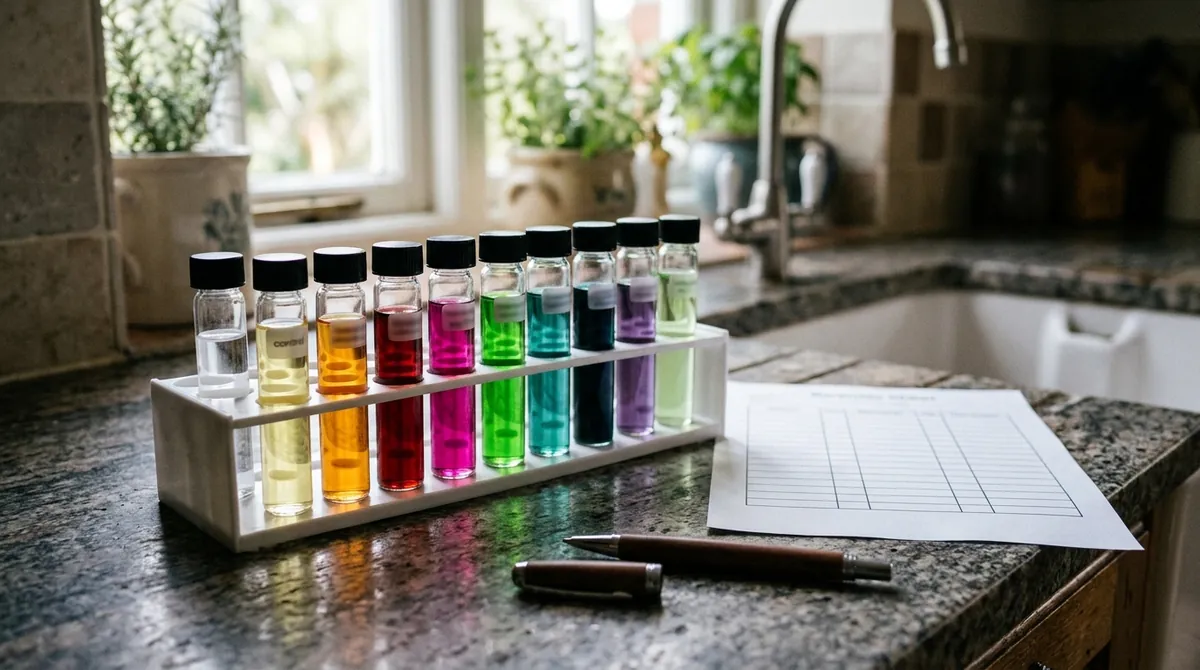
You keep the results. If nothing needs treating, we tell you so. If something does, you can compare our recommendation with any other quote.
What decides the cost of well water testing
We do not print a single price, because a test can be a quick on-site check or a full panel with lab work. These are the things that set it:
- Which tests you want. Hardness and iron readings are quick. Bacteria and nitrate tests need a lab.
- Lab work. Each lab test adds to the cost. A yearly safety check needs fewer tests than a home purchase.
- Retesting. After a well is disinfected or a treatment system is installed, a follow-up test confirms the fix worked.
- What comes next. A softener, filter or disinfection system is priced separately after the results, with a free estimate before any work begins.
The real saving comes from testing before you buy equipment. A softener will not remove bacteria, and a sediment filter will not soften hard water. Buying the wrong system, or a system sized for the wrong problem, costs far more than the test.
What the results usually lead to
Most well tests in West Michigan point to one of a few outcomes:
- Everything is fine. Test again next year, or sooner if something changes.
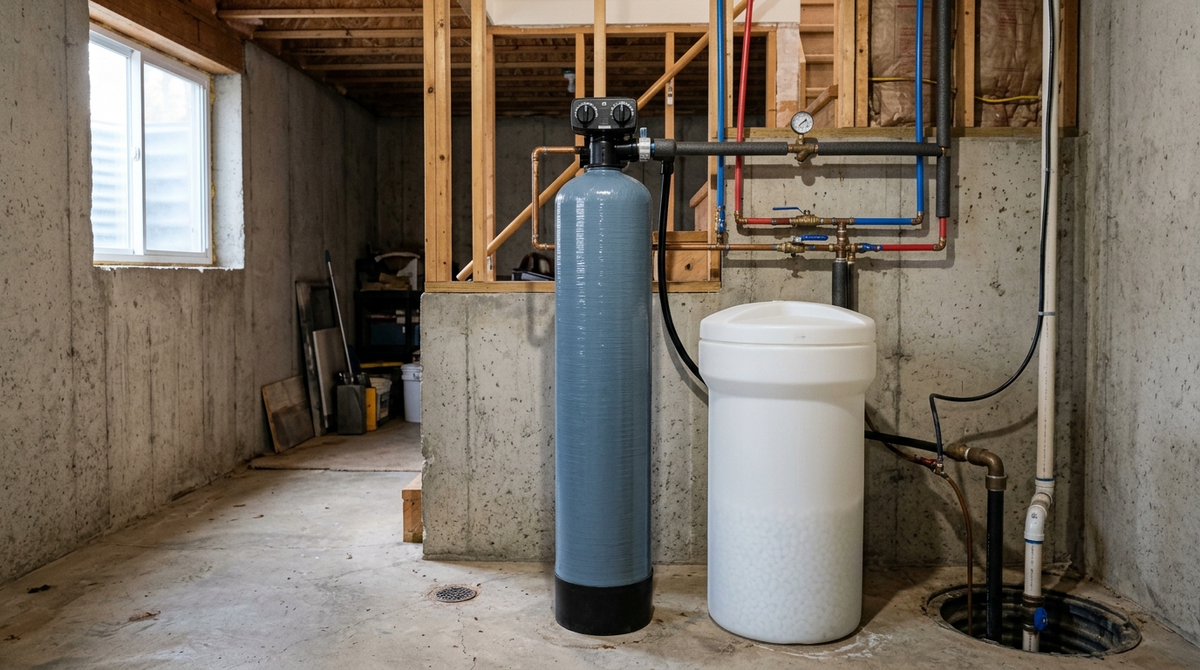
- Hard water. A water softener sized to your hardness and household. Our guide to water softener cost in Grand Rapids explains what sets the price.
- Iron, sediment or odor. A water filtration system chosen for what the test found, sometimes alongside a softener.
- Bacteria. The well is disinfected, the cause is looked for, such as a damaged cap or seal, and the water is retested before anyone drinks it.
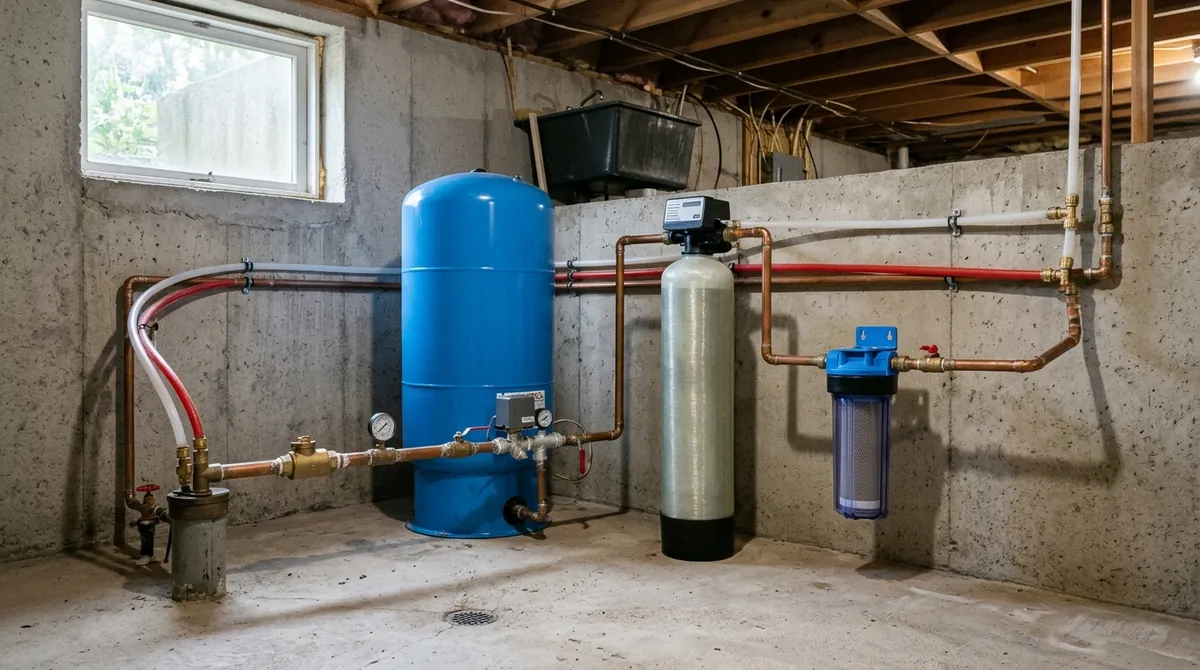
Your county health department can also advise on well water concerns, and is the place to ask about local issues reported in your area.
A few habits that protect your well
- Keep fertilizer, pesticides, fuel and paint well away from the well head.
- Check that the well cap is in place and not cracked, especially after mowing or snow plowing.
- Keep the ground around the well sloping away from it so rain does not pool there.
- Keep a folder with every test result, so you can see changes from one year to the next.
Book a well water test with Eyk Plumbing
If your well has not been tested in the last year, you just moved into a home with a well, or the water has changed, a test tells you where you stand before you spend money on equipment. We test wells across Greater Grand Rapids, from Rockford and Cedar Springs to Byron Center and Hudsonville. See our water testing service or read about water testing in Grand Rapids.
Call Eyk Plumbing at (616) 655-4172 or contact us online to set up a test. We answer calls 24/7.